Hyperloop technology relies on near-vacuum tubes to reduce air drag for high-speed travel. Pods levitate within a fixed guide tube and are propelled by precise, energy-efficient systems. Safety and reliability come from redundancy, monitoring, and robust control architectures. Real-world feasibility depends on infrastructure, regulation, and cost, while pilot projects offer tangible lessons. The path forward is incremental, transparent, and focused on scalability—a trajectory that invites closer examination of practical trade-offs and governance.
What Is Hyperloop Technology? An Essential Overview
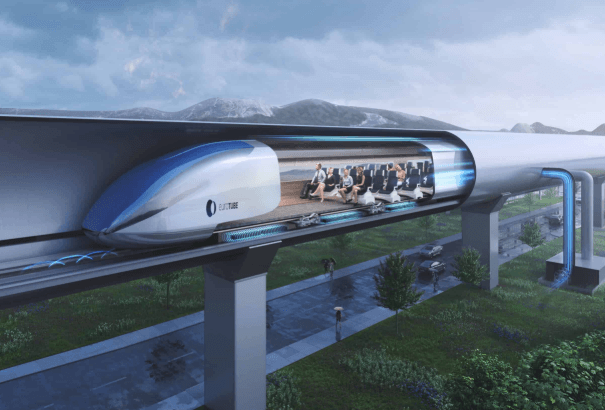
Hyperloop technology is a proposed high-speed transportation system that uses near-vacuum tubes to reduce air resistance and enable long, rapid travel distances. It is defined by pods traveling in low-pressure environments, guided along fixed paths, and propelled by magnetic or linear systems.
The discussion centers on technology ethics and environmental impact, emphasizing transparency, safety, accountability, and measurable sustainability considerations for future adoption.
How the Tube, Pod, and Propulsion Work Together
The tube, the pod, and the propulsion system form an integrated chain that enables high-speed travel. In this arrangement, magnetic levitation reduces friction while the capsule interfaces with a near-vacuum environment to minimize drag. The propulsion system provides thrust and precise acceleration, while cabin cooling maintains comfortable cabin conditions, ensuring safe, smooth operation for passengers and systems alike.
Safety, Control Systems, and Reliability in Hyperloop
Safety, control systems, and reliability are essential to the Hyperloop concept, ensuring safe passenger transit, predictable responses to disturbances, and consistent performance over time. The safety framework combines redundancy, monitoring, and fail-safe protocols.
Control systems optimize speed and alignment, continually assessing conditions.
Reliability rests on fault detection, maintenance scheduling, and rigorous testing. unrelated topic, speculative technology.
See also: Hybrid Cloud: What You Need to Know
Real-World Feasibility, Costs, and Pilot Projects
A practical assessment of Real-World Feasibility, Costs, and Pilot Projects reveals that the current barriers lie more in infrastructure scale, regulatory alignment, and capital intensity than in fundamental physics. Feasibility challenges persist as networks require standardized safety cases and funding, while cost projections depend on tunneling, vacuum systems, and propulsion integration. Pilot projects illustrate incremental learning and measured risk, accelerating informed, freedom-oriented progress.
Frequently Asked Questions
How Long Will a Hyperloop Journey Actually Take for Typical Routes?
Travel time for typical routes remains hypothetical, with variability by distance, stops, and technology. Route planning studies suggest point-to-point journeys could be faster than air travel, while efficiency hinges on vacuum performance, network density, and timetable synchronization.
What Are the Environmental Impacts Beyond Energy Use?
Environmental impacts beyond energy use include habitat disruption and land use changes. The project can fragment ecosystems, affect wildlife corridors, and alter drainage or soil stability, necessitating careful planning, mitigation measures, and ongoing monitoring to minimize ecological harm.
How Will Emergency Evacuations Be Handled Inside Pods?
Like a sudden lighthouse in fog, evacuation protocols inside pods rely on clearly defined, tested procedures. The system enforces orderly exits, comms, and assembly points, incorporating pod safety drills and continuous safety reviews to support a freedom-seeking audience.
Who Funds and Oversees Long-Term Hyperloop Projects?
Funding and oversight of long-term hyperloop projects are typically provided by a mix of public funding, private investment, and international partnerships, with long-term oversight conducted by government regulators, independent commissions, and industry standard-setting bodies ensuring accountability and safety.
What Happens if a Pod Loses Vacuum or Power Mid-Journey?
In the event of vacuum loss or power failure, potential safety concerns arise and emergency protocols activate; passengers may experience temporary discomfort. Systems prioritize rapid re-pressurization and safe braking, preserving passenger comfort while ensuring continued system integrity and clarity.
Conclusion
Hyperloop aims to reinvent transit with a near-vacuum tube, magnetic levitation, and precise propulsion—grand in theory, humble in cost estimates. Ironically, the more believers insist it’s almost here, the more it resembles a blueprint that keeps needing bigger funding, safer safety systems, and endless pilots. Yet its appeal persists: faster travel, greener logistics, and a future that might actually be audacious enough to work—if, and only if, the stars align with regulation, capital, and patient engineers.