Plastic manufacturing requires precision, consistency, and controlled processing conditions to maintain product quality and production efficiency. One of the most important factors in plastic processing is moisture control. Excess moisture in plastic resins can lead to defects, weak product structures, surface imperfections, and reduced manufacturing performance. As industries continue advancing plastic production technologies, efficient drying systems have become essential for reliable processing operations.
Modern plastics dryer systems help manufacturers remove moisture from plastic materials before processing. These systems improve production consistency, support higher quality output, and enhance operational efficiency across a wide range of plastic manufacturing applications.
Why Moisture Control Is Important in Plastic Processing
Many plastic resins naturally absorb moisture from the surrounding environment during storage and handling. If moisture is not removed before processing, it may affect both product quality and manufacturing performance.
Problems Caused by Excess Moisture
Moisture contamination may lead to:
- Surface defects
- Product cracking
- Weak structural integrity
- Air bubbles
- Inconsistent molding results
- Reduced material performance
Proper drying helps manufacturers avoid these common production issues.
Importance of Stable Resin Quality
Consistent moisture levels help ensure:
- Better molding accuracy
- Improved product appearance
- Reliable production output
- Reduced material waste
Moisture control supports efficient and stable manufacturing operations.
See also: Hyperloop Technology Explained
What Is a Plastics Dryer?
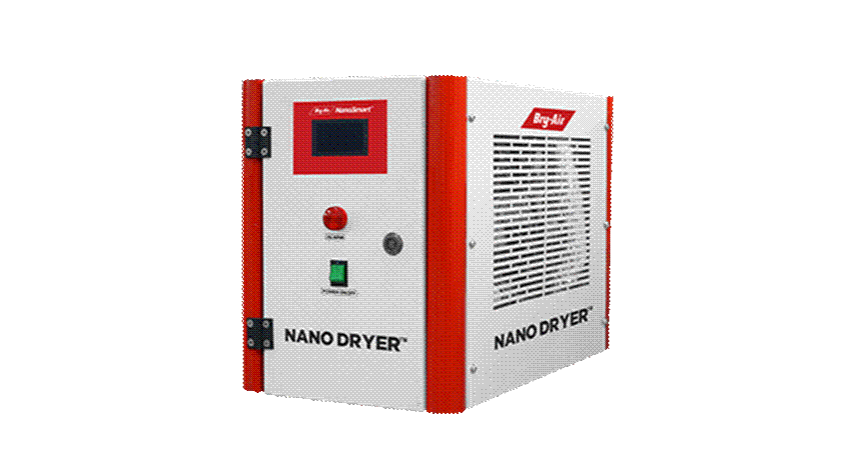
A plastics dryer is an industrial system designed to remove moisture from plastic resins before processing operations such as molding, extrusion, or packaging.
The drying process generally involves:
- Heating plastic materials
- Circulating dry air
- Extracting absorbed moisture
- Maintaining controlled humidity levels
Advanced drying systems help ensure plastic materials remain in optimal processing condition.
Types of Plastic Materials Requiring Drying
Many plastic resins require moisture removal before manufacturing.
These may include:
- Engineering plastics
- Hygroscopic polymers
- Technical resins
- High performance plastic materials
Different materials may require different drying temperatures and conditions.
Benefits of Modern Plastics Dryer Systems
Modern drying technologies provide several important advantages for plastic manufacturers.
Improved Product Quality
Proper moisture removal helps reduce manufacturing defects and inconsistencies.
Benefits may include:
- Better surface finish
- Improved structural strength
- Enhanced product consistency
- Reduced processing errors
Controlled drying improves final product performance.
Better Manufacturing Efficiency
Reliable drying systems help manufacturers maintain stable production conditions.
Efficient systems may support:
- Faster production cycles
- Reduced downtime
- Lower rejection rates
- Improved operational productivity
Consistent processing conditions improve manufacturing reliability.
Reduced Material Waste
Moisture related defects may increase rejected products and wasted materials.
Advanced drying technologies help:
- Minimize production losses
- Improve material utilization
- Reduce reprocessing requirements
Efficient drying contributes to cost savings and operational improvement.
Role of Desiccant Dryers in Plastic Processing
Desiccant based drying systems are widely used in modern plastic manufacturing environments.
What Are Desiccant Dryers?
Desiccant dryers use moisture absorbing materials to remove humidity from processing air.
These systems help:
- Produce extremely dry air
- Maintain low humidity conditions
- Improve resin drying efficiency
Desiccant technologies are highly effective for moisture sensitive plastics.
Benefits of Desiccant Drying
Organizations searching for reliable desiccant dryers for plastics often prioritize systems that provide:
- Precise humidity control
- Stable drying conditions
- Energy efficient operation
Advanced desiccant systems improve processing consistency and product quality.
Applications of Plastics Dryer Technology
Plastic drying systems are used across many industrial sectors.
Injection Molding Industry
Injection molding operations require dry resin materials for:
- Precision molding
- Surface quality improvement
- Dimensional stability
Moisture control helps improve molding performance.
Extrusion Manufacturing
Extrusion systems use dried plastic materials to maintain:
- Uniform flow properties
- Product consistency
- Structural strength
Proper drying improves extrusion efficiency.
Packaging and Consumer Products
Plastic packaging manufacturers use drying systems to:
- Reduce material defects
- Improve appearance quality
- Maintain production stability
Reliable drying supports large scale manufacturing operations.
Importance of Humidity Control in Plastic Manufacturing
Humidity management directly affects resin performance and production consistency.
Effects of Environmental Moisture
Plastic materials may absorb moisture during:
- Storage
- Transportation
- Production handling
Controlled environments help reduce moisture contamination risks.
Benefits of Dry Air Technology
Advanced drying systems using dry air technologies help:
- Maintain low humidity levels
- Improve resin stability
- Support consistent processing conditions
Stable humidity control improves manufacturing reliability.
Factors to Consider When Choosing a Plastics Dryer
Selecting the right drying system depends on operational requirements and production conditions.
Material Type
Different resins require different drying parameters.
Businesses should evaluate:
- Moisture sensitivity
- Processing temperature
- Drying time requirements
Customized drying improves product performance.
Production Capacity
Manufacturers should consider:
- Production volume
- Material throughput
- System scalability
Proper system sizing improves operational efficiency.
Energy Efficiency
Modern systems should support:
- Reduced energy consumption
- Optimized airflow
- Efficient heat management
Energy efficient systems help lower operational costs.
Common Mistakes Businesses Should Avoid
Improper drying practices may reduce product quality and manufacturing efficiency.
Using Incorrect Drying Temperatures
Excessive heat may damage sensitive plastic materials.
Manufacturers should optimize:
- Temperature settings
- Drying duration
- Airflow conditions
Proper controls improve production stability.
Ignoring Moisture Testing
Without monitoring moisture levels, businesses may experience inconsistent production quality.
Regular testing helps:
- Improve process control
- Reduce product defects
- Maintain resin quality
Accurate monitoring supports better manufacturing performance.
Delaying Equipment Maintenance
Poor maintenance may reduce airflow and drying efficiency.
Routine servicing helps:
- Maintain system reliability
- Improve operational performance
- Extend equipment lifespan
Preventive maintenance supports long term efficiency.
Why Plastics Dryer Technology Continues Growing
Plastic manufacturers continue prioritizing precision processing and high quality production standards.
Plastics dryer technology continues growing because it supports:
- Better moisture control
- Improved product consistency
- Higher manufacturing efficiency
- Reduced production waste
- Stable processing conditions
Organizations searching for advanced plastic dryer machine solutions increasingly invest in modern drying technologies to improve production quality and operational performance.
Conclusion
Plastics dryer systems provide manufacturers with an effective solution for controlling moisture levels and improving plastic processing quality. Proper drying helps reduce manufacturing defects, improve product consistency, and support more efficient production operations.
Advanced desiccant dryers, dry air technologies, and humidity control systems all contribute to better plastic manufacturing performance. By investing in reliable plastics drying solutions, businesses can improve operational efficiency, reduce material waste, and support long term manufacturing success.